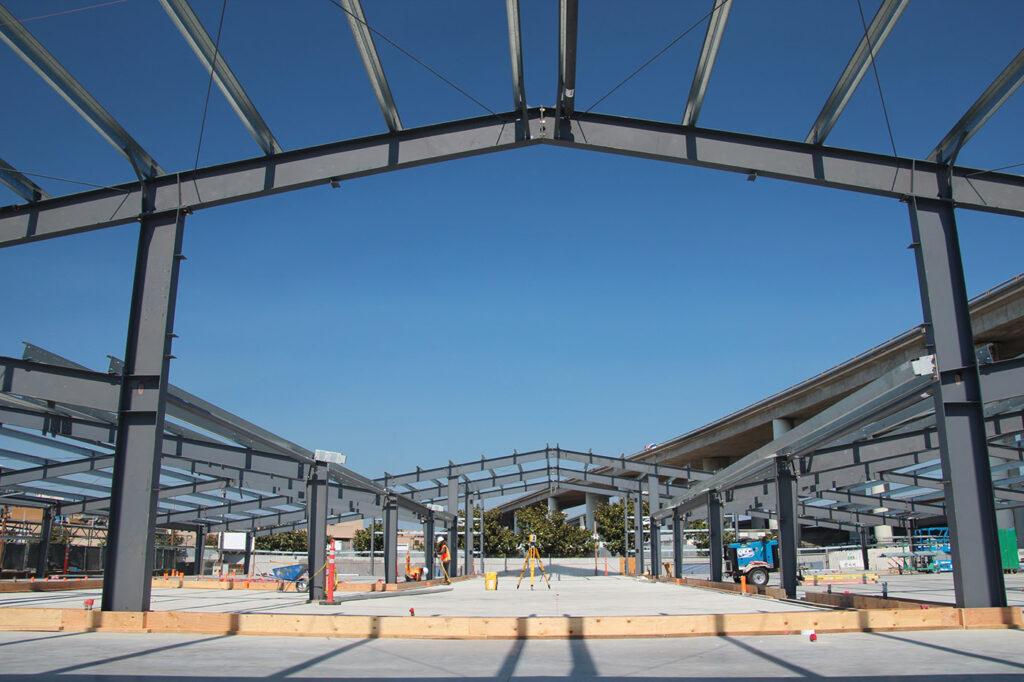
A metal structure is a valuable project that needs careful planning. Every question asked before purchase helps create a clear understanding. Pricing, materials, and design options sometimes differ based on the provider. Knowing what details to ask about can guide a smoother process.
Metal buildings serve a wide range of purposes for business and personal use. Asking clear, focused questions ensures that each part of the deal is transparent. The more information gathered early, the fewer issues appear later. A thoughtful approach builds trust and sets the foundation for a solid investment.
1. What Is Included in the Quotation?
Each quotation may vary depending on how detailed the supplier is. A complete quote covers structure, delivery, hardware, and on-site assembly. Without proper detail, comparing one offer to another becomes difficult. A transparent quotation always reveals what a buyer pays for exactly.
Request an itemized list to check what costs appear within. Some may include taxes, permits, or minor adjustments to the site. A list helps clarify hidden or separate charges before any payment. Understanding inclusions prevents confusion once the order reaches the final stage.
2. What Materials Are Used in the Construction?
The strength and life of a structure depend on its material type. Different metals react differently to weather and moisture levels. Coating quality affects durability and overall appearance for years ahead. The right metal blend can maintain a clean and strong finish.
Ask about protective layers, finish warranties, and corrosion resistance for details. Confirm if insulation or panel thickness fits structural needs precisely. Each part contributes to safety and overall performance over time. A balanced mix of metal and coating ensures long-term reliability.
3. What Is the Project Schedule?
Timing affects every part of the building process from start to finish. Clear delivery dates allow coordination between suppliers and contractors. Fabrication schedules reveal how quickly parts reach the construction site. Knowing every phase helps maintain a steady progress rate.
Discuss lead time, preparation work, and delivery arrangements with the supplier. Confirm if schedules remain flexible under changing conditions or seasonal demand. Ask how long setup and inspections will take on-site. A predictable timeline supports good organization across all involved groups.
4. What Are the Warranty and Care Details?
A solid warranty outlines what protection the buyer receives over time. Check how long coverage applies and what each part includes. Paint, frame, and hardware may each carry different protection periods. Proper warranty terms reflect the supplier’s confidence in material strength.
Maintenance extends the building’s value and keeps its structure secure. Ask for clear instructions about cleaning, coating, or panel replacement steps. Understand what actions void warranty coverage or reduce its period. Consistent care helps sustain strength without unexpected repair costs.
5. What Options Are Available for Adjustments?
Every project has design needs that differ by space and function. Ask if layout, colour, or door type can be adjusted easily. Flexibility adds comfort and helps align function with style goals. Adjustments can also create efficient energy flow or better lighting.
Key adjustment areas to confirm include:
● Frame height and roof shape
● Door and window placement
● Insulation compatibility
● Interior partition options
Choose a Supplier That Offers Full Transparency
Transparency defines how smoothly a building project moves from plan to completion. A supplier that prioritizes openness shares every cost, timeline, and detail clearly. This clarity removes confusion and builds confidence through every project stage. Buyers always know what to expect before any agreement begins.
Trusted providers of metal buildings communicate openly about materials, design, and delivery. They avoid hidden charges and explain each feature in simple terms. Honest communication makes comparison easier and strengthens decision-making with accurate details. Choosing a transparent supplier ensures a clear understanding and dependable project outcomes.