Abstract
Until relatively recently, fintech apps were associated primarily with mobile banking and instant payments. In 2026, the situation looks different. Users expect instant solutions, personalized advice, and flawless data protection from financial services. Companies involved in financial technology can no longer limit themselves to basic functions like checking balances and transferring funds. They create entire digital ecosystems where data analytics, AI, open banking, and automation work in tandem. Against the backdrop of growing cyber threats and stricter regulatory requirements, app development trends in fintech are shifting toward greater focus on security, speed, and user trust. This is what will define the industry’s development in 2026.
The Basics of Modern Fintech: AI and Personalization
Financial apps no longer function as isolated tools. Today, they integrate the following into a single interface:
✔ payments,
✔ lending,
✔ insurance,
✔ investments,
✔ analytics.
Thanks to AI, fintech platforms can:
● Analyze user financial behavior,
● Forecast expenses,
● Warn of the risk of budget overspending.
That is why companies actively invest in the development of such apps, which combine personalization, analytics, and a high level of security. These are Fintech Mobile Apps, which in practice means creating solutions for mobile banking and digital wallets, P2P payments and investment platforms, as well as budgeting services. Developers pay special attention to automated recommendations, AI assistants, and integrations with cloud services. Teams that work in fintech development more and more often use short development cycles. This is done to test features faster and adapt the product to market changes. It is also important that modern fintech solutions meet KYC, AML, and multi-level data protection requirements as early as the product architecture stage. That is why companies often choose a security-by-design approach.
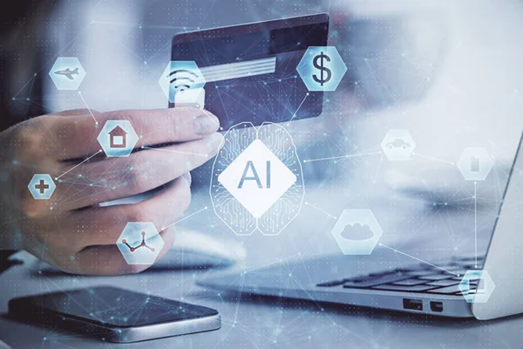
This means security features are built into the system’s foundation rather than added after release. For businesses, this translates to lower risks. For users, it means a higher level of trust in the service. By 2026, new fintech app ideas will no longer be built solely around payments. They will focus on creating a long-term digital experience. The kind where the user receives not just a feature, but clear financial guidance in their daily life.
Predictive analytics. A new level of interaction
Predictive analytics becomes one of the key areas of fintech development. Banks and financial startups use machine learning for:
● Assessing credit risks,
● Detecting fraudulent transactions,
● Automatically analyzing customers’ financial habits.
It also changes the approach to app ideas to make money. Companies earn not only from transactions but also from personalized financial services:
✔ automated investment advice,
✔ intelligent savings,
✔ AI-driven wealth management.
Security-first Development as the New Standard
As more financial services move online, the risks of cyberattacks increase. By 2026, fintech companies will be actively implementing:
✔ biometric authentication,
✔ behavioral analytics,
✔ zero-trust architecture.
Particular attention is paid to API security, as open banking continues to expand. Open integrations give users more control over their financial data, but at the same time increase the number of potential attack vectors. That is why new technology apps in the financial sector undergo continuous security testing and automated real-time threat monitoring more and more frequently.
Regulations and user trust
Regulations regarding personal data protection and digital payments continue to tighten across the globe. Even before launching a product, companies must consider GDPR, PSD2, AML policies, and local financial regulations. For users, this is not merely a matter of legal compliance. People want to feel confident that their financial data will not be compromised. Trust itself is becoming one of the primary factors in the financial technology product’s success.
Embedded Finance and the Future of Digital Growth
Embedded finance is no longer just a trend for large banks. Online stores, SaaS platforms, and marketplaces integrate payments, lending, and insurance services directly into their products. Such web application development ideas help businesses:
● Shorten the user’s path to purchase,
● Create a more convenient digital experience.
At the same time, the popularity of blockchain solutions for international payments and digital identification is on the rise. Companies use blockchain as a way to make transactions more transparent and faster.

Apps that need to be invented in the coming years
Despite the industry’s rapid development, fintech still has many unfilled niches. Among the apps that need to be invented, experts often mention:
1. AI services for financial mental health,
2. Tools for automated subscription management,
3. Platforms for in-depth analysis of personal carbon footprints through financial spending.
Such solutions could become the next stage in the evolution of digital Finance. One where technology works not only for speed but also for more conscious resource management.
Final Thoughts
By 2026, fintech apps with simple digital banks will transform into complex ecosystems that combine AI and predictive analytics, embedded finance, and security-first development. Users expect financial services to offer not only convenience but also personalization and security. That is why the future of fintech depends not only on new technologies but also on companies’ ability to build trust. The brands that can align innovation with people’s real needs will shape the development of digital finance in the coming years.