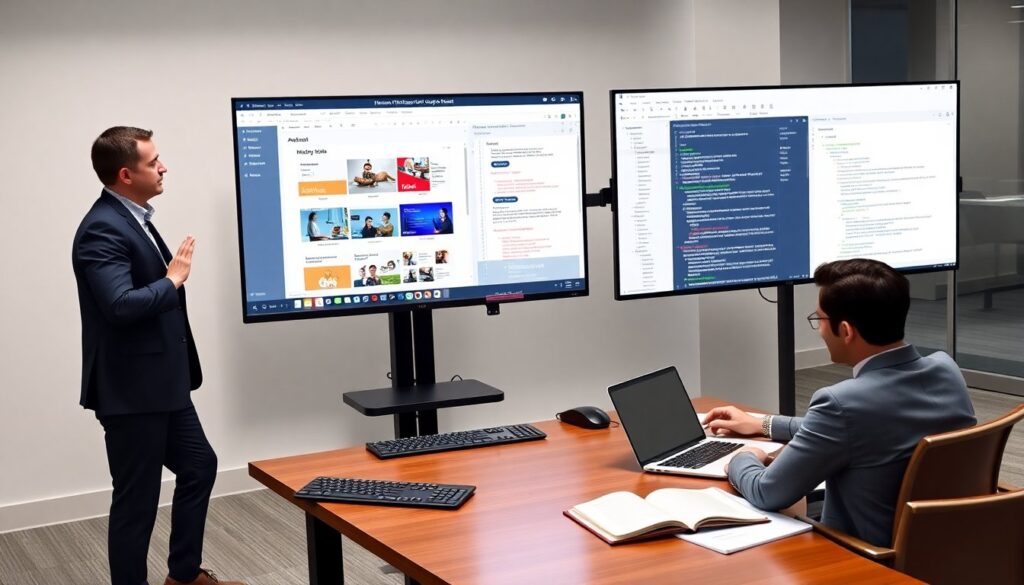
roman wizzydigital editor helps web editors build pages faster. The tool offers visual editing, code access, and live preview. The article explains who uses it, why they pick it, how to install it, and practical tips. The tone stays clear and direct. The reader gets step-by-step guidance and quick wins for daily editing tasks.
Key Takeaways
- Roman WizzyDigital Editor combines visual editing and code access to help web editors build pages faster with cleaner HTML.
- The editor offers live preview, Git integration, and clean export of HTML and CSS, minimizing heavy build steps and speeding releases.
- Installation is straightforward with account setup linking Git or cloud storage, allowing users to start projects with templates and live URL previews.
- Core features include component libraries, inline code edits, CSS scoping, version control, and accessibility checks to ensure efficient and compliant editing.
- Advanced users can customize workflows with keyboard shortcuts, snippets, CI/CD automation, hot reload, and API scripting for faster iteration and consistency.
- Freelancers, agencies, and teams choose Roman WizzyDigital Editor for its balance between visual design and code control, reducing repetitive work and improving output quality.
What Roman WizzyDigital Editor Is And Who It’s For
roman wizzydigital editor is a hybrid web editor. It blends visual layout tools with direct code editing. Teams use it when they want faster page creation and cleaner HTML. Freelancers use it to build landing pages and prototypes. Agencies use it to hand off editable templates to clients. The tool supports common workflows like component libraries, inline CSS edits, and Git sync. Editors who value speed and control find roman wizzydigital editor a good fit. The interface keeps content and code visible and editable at the same time.
Why Choose Roman WizzyDigital Editor Over Other Web Editors
Teams pick roman wizzydigital editor for its live preview and low friction. The editor renders changes instantly and shows responsive states. The tool exports clean HTML and common CSS patterns. Editors avoid heavy build steps for basic updates. The editor integrates with Git and cloud storage. The team reduces handoffs and speeds releases. The editor offers templates and accessible components. The editor supports plugins and API hooks for custom needs. For editors who balance visual design and code, roman wizzydigital editor reduces repetitive work and improves consistency.
Getting Started: Install, Account Setup, And First Project
roman wizzydigital editor installs from the vendor site or package manager. Users create an account and link Git or cloud storage. The setup prompts for project name and default branch. The editor clones or creates a starter project. The user opens the project and sees a dashboard with recent files. The editor suggests a starter template and creates a home page. The user edits content, saves, and previews changes. The editor shows live URL previews and build logs. The first project teaches the basic save, preview, and deploy cycle.
Core Editing Features Every Editor Should Use
Editors use the live preview to validate layout changes. They use the component library to reuse UI patterns. They use inline code edits for quick fixes. They use CSS scoping to avoid global style conflicts. They use bindings for dynamic content and data placeholders. They use version control to track changes and revert mistakes. They use the accessibility checker to catch common issues. They use the asset manager to compress and replace images. The editor exports clean HTML and lets users run local previews before deploy.
Advanced Tips, Shortcuts, And Customization For Faster Workflows
Editors add custom snippets and keyboard shortcuts to speed repetitive edits. They create component templates for common page sections. They link the editor to CI/CD to automate builds on push. They enable hot reload for faster visual feedback. They use the search-and-replace tool across the project to update patterns. They map keyboard shortcuts for format, comment, and wrap. They write small scripts using the editor API to inject data or run transforms. They enable autosave and configure the undo history length. These steps let teams use roman wizzydigital editor for faster iteration and consistent output.