
Deprecated: mb_convert_encoding(): Handling HTML entities via mbstring is deprecated; use htmlspecialchars, htmlentities, or mb_encode_numericentity/mb_decode_numericentity instead in /var/www/vhosts/wizzydigital.org/httpdocs/wp-content/plugins/skylinks/skylinks.php on line 44
Deprecated: mb_convert_encoding(): Handling HTML entities via mbstring is deprecated; use htmlspecialchars, htmlentities, or mb_encode_numericentity/mb_decode_numericentity instead in /var/www/vhosts/wizzydigital.org/httpdocs/wp-content/plugins/skylinks/skylinks.php on line 44
Looking at the way in which people use the internet right now, it’s clear that there’s a battle for our attention. Sites want your spend more time on them than anywhere else, which has created elements like endless scrolls and more gamified elements of web design.
One way to become particularly eye-catching in a way that could benefit the user, however, is to run timed promotions and offers. By putting a timer on offers, promotions, bonuses, or activities, a website can immediately command attention, but only if the site’s design maximizes the impact of these timers.
Timed Events Put Front and Center
Having a well-organized site will always help users to enjoy the best experience and conveniently get to what they want swiftly. However, putting timed events anywhere other than the initial landing page will diminish the impact. Take the bingo offering as an example. As soon as you’re on that homepage, you can see the game timers.
Each room rolls along a horizontal automatic slider, clearly showing how long is left until the game begins. Underneath, there are a few details, all of which are the most impactful and important. It shows the jackpot, ticket price, number of players, and room prize. So, users can make an informed decision within the shown time limit.
It’s important that timed offers or events aren’t merely advertising posters. Offering the necessary information in a very clear and direct way alongside the ticking clock is essential. While it is somewhat of a superstition, informing alongside the timer does make your design more captivating within the theorized five-second window you have.
It should be factored in that people are naturally quite skeptical, even if they feel the need to rush against the clock. A bonus, offer, or event that’s on a timer will naturally bring up the question of, “What’s the catch?” So, it’s necessary to not only place timed offerings prominently on landing pages, but also back them with essential info.
Should You Use Timed Offers?
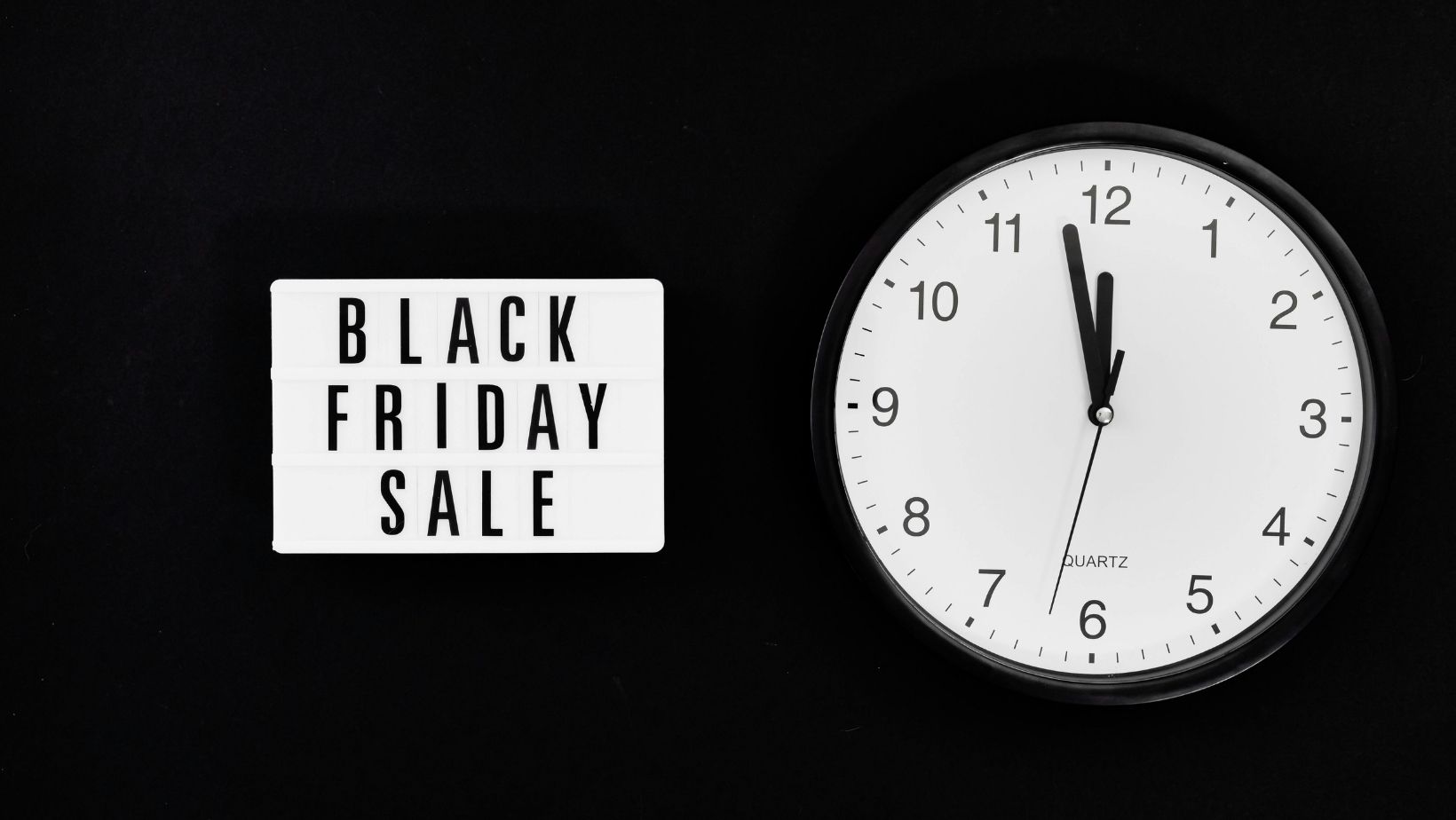
One of the biggest sales-driving events in the Western world is a timed offer event. That is Black Friday, followed swiftly by Cyber Monday. Now, with multi-day events, people know that they should save their late-year purchasing for this November window to try to get hefty percentages off of products similar to what they wanted to buy.
Beyond November, stores can create a sense of urgency and drive up sales with limited-time offers like the traditional “Flash Sale,” usually lasting 24 or 48 hours. Being online, businesses can create much more visual representations of this need to get in quickly, such as through the presented ticking clock.
For one-off events, businesses need to heavily market the occasion. Otherwise, they risk it failing to land as well as it could. However, a newer way to go would be to have a continuous stream of limited-time offers akin to the rolling bingo rooms. Pumping through a new item on offer every few hours can create a new kind of appeal.
Instead of waiting for an event and grabbing all they want in that window, users would become accustomed to returning to the site to see what’s on sale next. In a broad sense, platforms like eBay run this approach. The drawback is that it’s quite a specific approach, so the limited-time offer might have limited appeal.