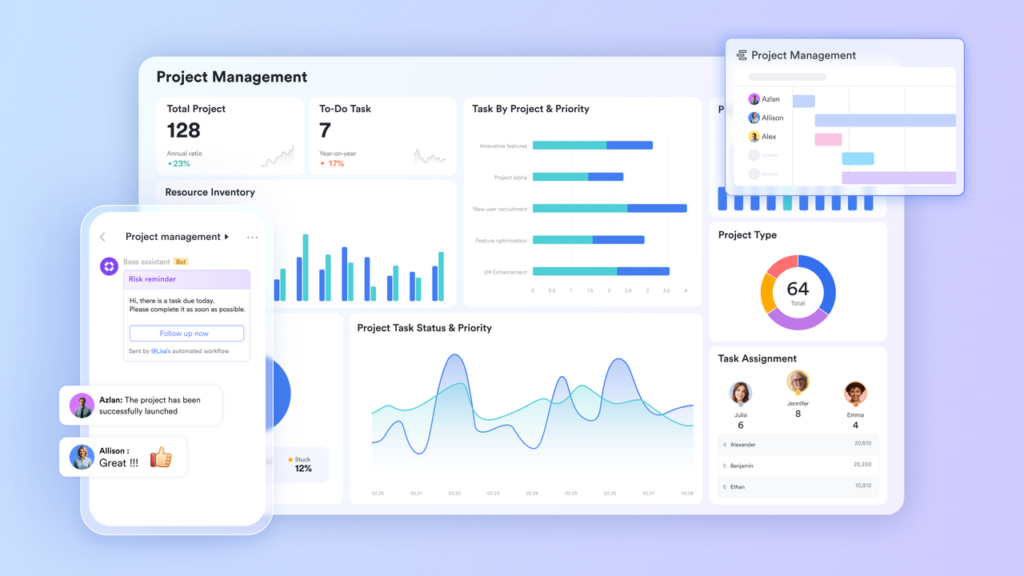
Manufacturing has been slower than most industries to adopt modern operational tools, partly because the tools that modern knowledge work runs on were not designed for the realities of a manufacturing environment: workers without desk access, shift-based staffing patterns, machine-driven production rhythms, and quality control requirements that impose documentation obligations at every production step. The digital transformation that manufacturing organizations undertake often produces a disconnected layer of digital tools sitting alongside the physical systems of the factory floor rather than replacing the coordination infrastructure that those physical systems require. The shift supervisor who receives production updates on a tablet but still communicates quality issues through a whiteboard and a verbal briefing at shift handover has digitized one part of their workflow without improving the coordination that determines whether the whole system runs well. The manufacturing organizations that have achieved genuine operational coordination at scale have done it with project management tools that are designed for the pace, the structure, and the documentation requirements of manufacturing operations rather than adapted from knowledge work tools that assume continuous desk access.
Production tracking that updates itself without a coordinator with Lark Base
Manufacturing production tracking requires a data collection system that works for operators on the floor, supervisors in the plant, and managers in the office simultaneously, producing a single consistent view of production status without requiring a dedicated production coordinator to maintain the intermediate translation between each level.
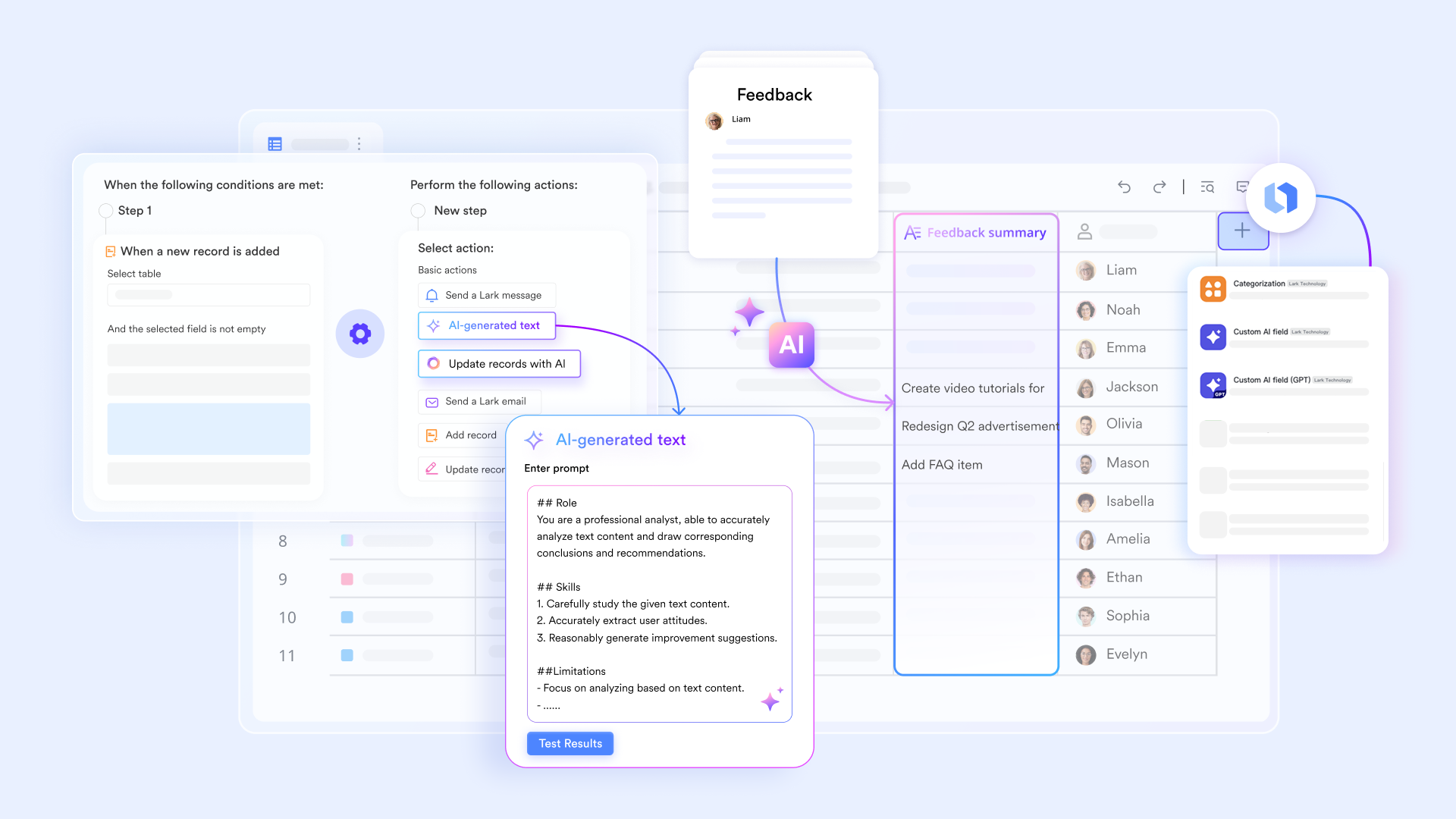
- Mobile-accessible Lark Base records allow floor operators to update production status, log quality checks, and record machine issues from a tablet or mobile device at the point of production rather than relaying the information verbally to a supervisor who enters it into a system at a remove from the floor.
- Automated notifications trigger when a production record falls behind the planned output rate, when a quality flag is logged, or when a machine maintenance record is overdue, so the relevant supervisor or maintenance team receives an alert targeted to the specific issue rather than having to monitor every production station simultaneously.
- Shared dashboards give plant management a live view of production output, quality performance, and machine utilization across the full facility without requiring a production coordinator to compile and distribute a shift report.
- Gallery view displays visual quality records, including photographs of defective components and inspection documentation, as a grid that quality managers can review and act on without navigating a separate quality management system.
Quality and inspection records that satisfy auditors without paper with Lark Forms
Manufacturing quality documentation is one of the most paper-intensive administrative processes in any production environment. Inspection forms completed by hand, signed by supervisors, and filed in physical folders represent a documentation system that is simultaneously mandatory and inadequate: it satisfies the letter of the quality standard while producing records that are difficult to search for, prone to loss, and impossible to analyze in aggregate.
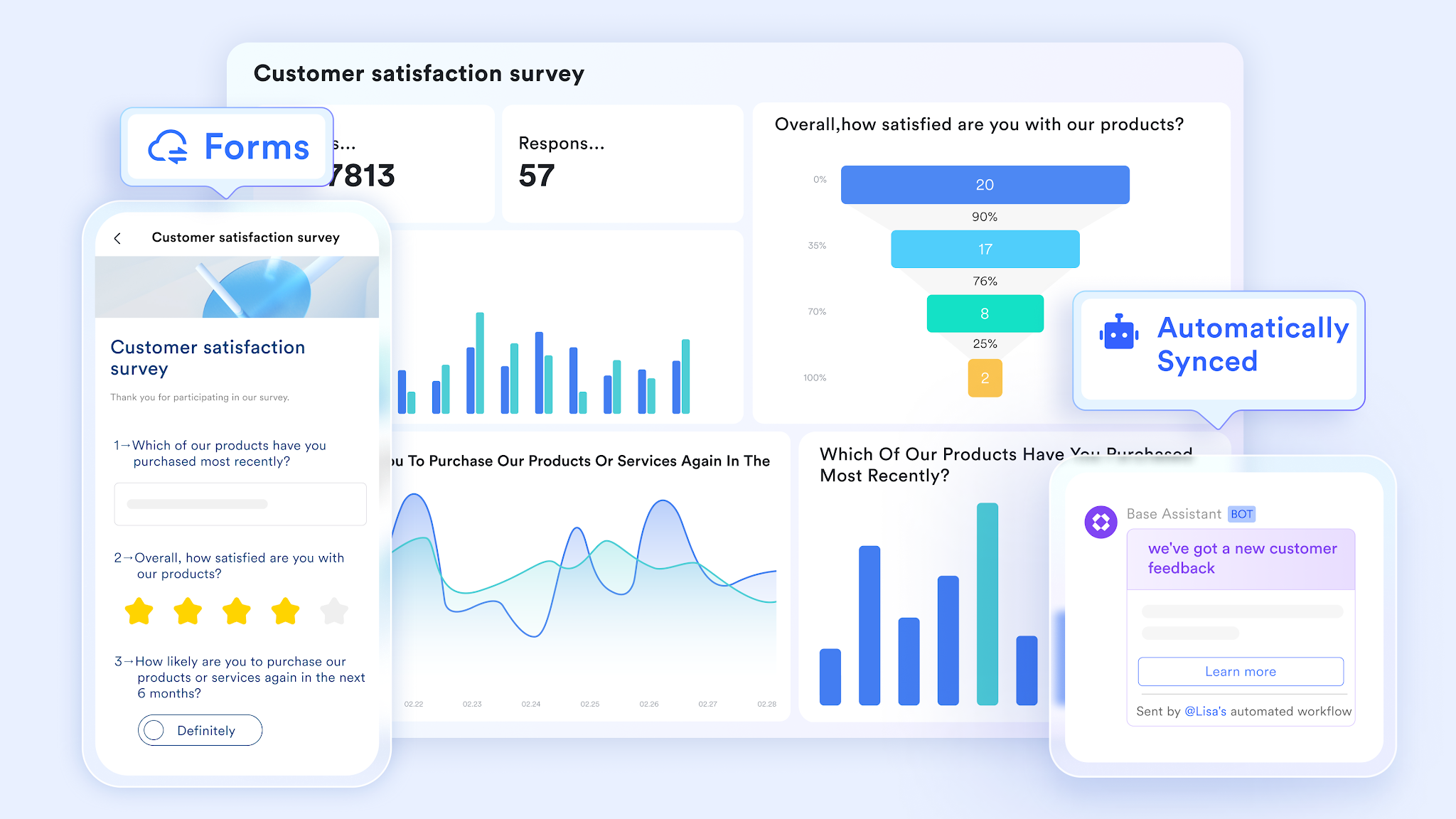
- Conditional form logic for inspection type-specific checklists ensures that every quality inspection captures the specific measurements, observations, and approvals required for that production step without requiring a generic form that asks for irrelevant information at every step.
- Direct Base mapping means every inspection record lands as a structured digital record in the quality management database the moment it is submitted, so the quality team’s aggregate view of defect rates, inspection failures, and non-conformances is always current without manual data entry.
- Mandatory field validation prevents incomplete inspection records from being submitted, eliminating the quality audit finding of “incomplete documentation” that paper-based inspection systems consistently produce.
- Timestamped records with named submitters satisfy the chain of custody requirements that manufacturing quality standards impose without requiring a separate documentation step that adds time to every inspection cycle.
Shift handover communication that nothing falls through with Lark Messenger
The shift handover is one of the highest-risk coordination moments in any manufacturing environment. The outgoing shift knows what issues arose, what machines are running close to their maintenance threshold, and what production targets were missed and why. The incoming shift knows none of this unless the handover communication is thorough, structured, and confirmed. The verbal handover that characterizes most manufacturing environments is neither thorough, structured, nor confirmed.
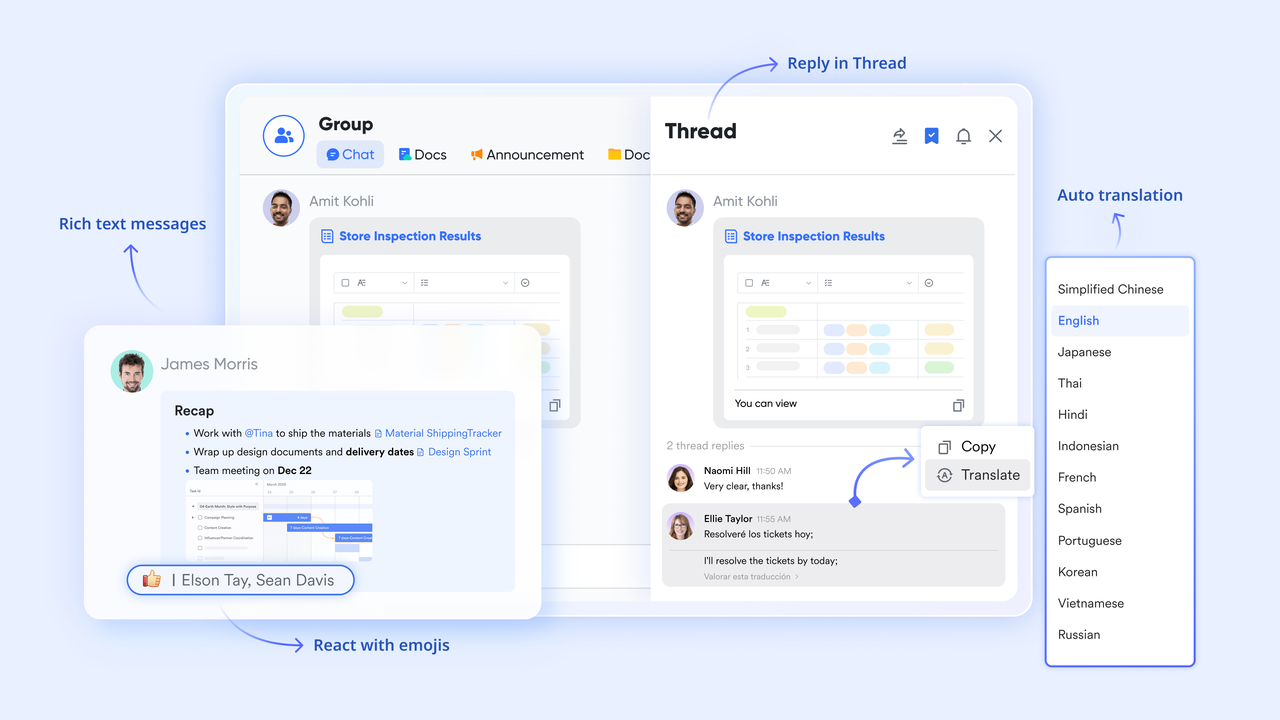
- Group folder organization allows manufacturing facilities to maintain communication groups for every production line, every shift team, and every maintenance function, organized into folders that any supervisor can navigate without losing sight of the other groups that may require simultaneous attention.
- “Real-time Auto Translation” across 24 languages supports the multilingual workforce that characterizes many manufacturing facilities, allowing shift supervisors to communicate production updates and safety requirements in a single channel that every team member receives in their preferred language.
- “Scheduled Messages” allow the outgoing shift supervisor to compose the handover briefing during the shift and schedule it to arrive at the beginning of the incoming shift, ensuring that every handover is complete, timely, and received by every relevant incoming team member simultaneously rather than depending on a verbal briefing that may reach different team members at different times and with different levels of completeness.
Maintenance authorization and supplier approvals that do not delay production with Lark Approval
Manufacturing operations lose production time to maintenance delays when the approval process for maintenance work orders, spare part procurement, and external supplier engagements is slower than the operational urgency that the maintenance requirement creates. The maintenance technician who has diagnosed a machine fault and identified the replacement part cannot begin the repair until someone authorizes the purchase, and every hour of waiting is an hour of lost production.
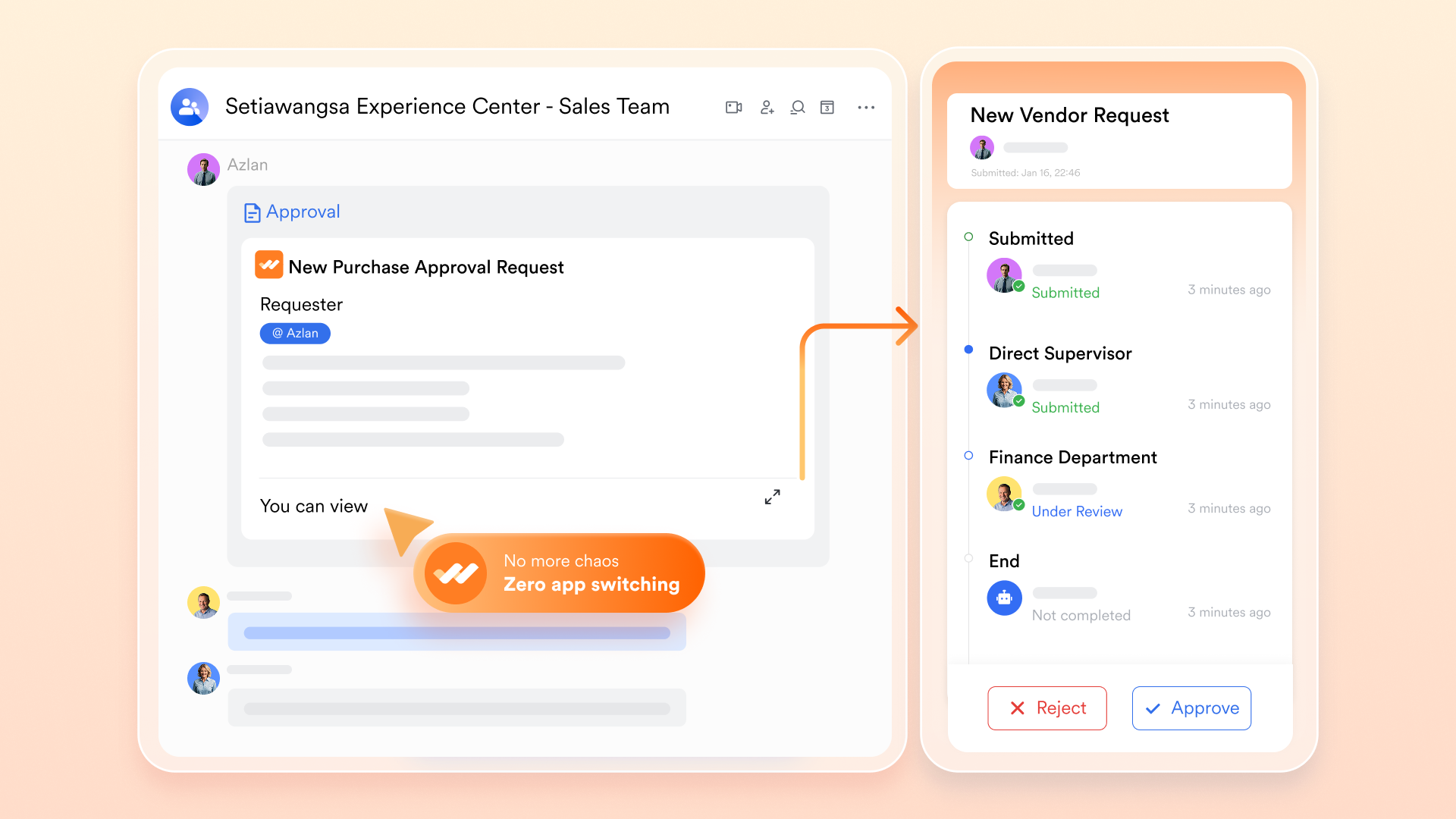
- “Parallel Routing” sends maintenance work order approvals to every required authority simultaneously, so the production manager, the maintenance manager, and the finance approver all review the request at the same moment rather than in sequence.
- “Conditional Branches” route routine maintenance within an approved budget to the maintenance supervisor level without requiring higher authority, while escalating unplanned maintenance that exceeds defined cost thresholds to the appropriate production or finance authority automatically.
- “Approval Notifications” reach every required approver on mobile wherever they are in the facility or beyond it, ensuring that urgent maintenance authorizations are not delayed by approvers who are on the production floor or away from their desk.
Operational procedures and compliance records with Lark Wiki
Manufacturing standard operating procedures are the foundation of production consistency and regulatory compliance. The SOP that is maintained in a binder on the production floor is the SOP that may or may not be current, may or may not have been read by every operator, and may or may not reflect the most recent safety or quality update from engineering.
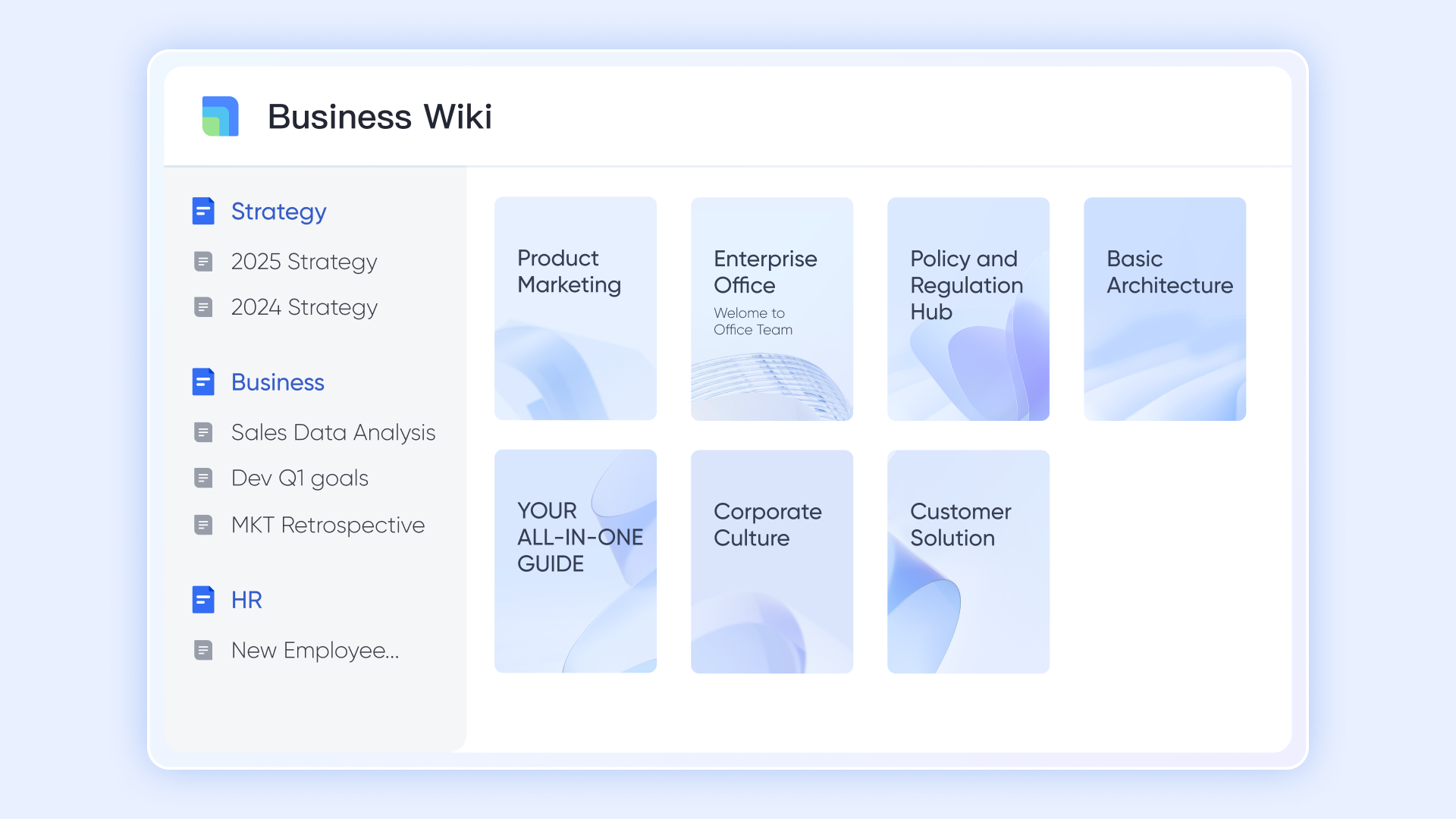
- “Advanced Search” allows every operator and supervisor to find the current version of any SOP, safety procedure, or compliance requirement from a mobile device at the point of need, so the procedure being followed is always the current procedure rather than whatever version was last printed and placed in the binder.
- “Rich Content” pages can carry instructional videos, equipment diagrams, and step-by-step procedure guides in a single organized page that any operator can access on a tablet or mobile device during the production process, replacing the paper-based SOP with a richer, more accessible reference.
- “Migration” from Word, Excel, and other formats allows the SOPs and compliance documentation accumulated over years of production operations to be brought into the structured Wiki without rebuilding from scratch, so the transition to digital SOPs does not require the engineering and quality teams to reproduce years of accumulated procedural content.
Bonus: Why manufacturing digital transformation often fails to deliver operational value
Manufacturing organizations that have invested in digital transformation often discover that the technology layer they have added sits alongside the existing operational processes rather than replacing them. The MES system that tracks machine output does not connect to the quality management system. The ERP that manages procurement does not connect to the maintenance management system. The digital tools that were supposed to create operational coherence have instead created additional data silos.
Manufacturers evaluating Google Workspace pricing often find that collaboration tools alone do not support day-to-day operational coordination on the factory floor. Many add separate systems for communication, approvals, knowledge management, and documentation, creating fragmented workflows that require separate access, maintenance, and training. Lark brings these coordination functions into one environment that works across devices, including mobile devices used by floor workers, helping teams manage operations with less complexity.
Conclusion
The manufacturing floor goes digital successfully when the digital tools chosen for the transformation are designed for the operational realities of manufacturing rather than adapted from knowledge work tools that assume continuous desk access. A connected set of productivity tools that handles production tracking, quality documentation, shift handover communication, maintenance authorization, and SOP management in one environment accessible from any device is how manufacturing organizations achieve the operational coordination that their physical systems require without the paper-based coordination overhead that digital transformation was supposed to eliminate.