For new players, Counter-Strike can feel like two games in one. On one side, there’s the competitive shooter everyone knows. On the other, there’s a massive ecosystem built around CS2 (CS:GO) skins, where players collect, trade, and evaluate items that exist purely for visual style.
At first glance, skins might seem like simple cosmetic add-ons. But once you start exploring how they move between players, how their value changes, and how trading works, it becomes clear there’s a full player-driven economy behind them. In fact, skin trading has grown into a large digital market shaped by supply, demand, and community interest.
If you’re just getting started, understanding the basics will help you avoid mistakes and get more out of the experience.
What Skins Actually Are
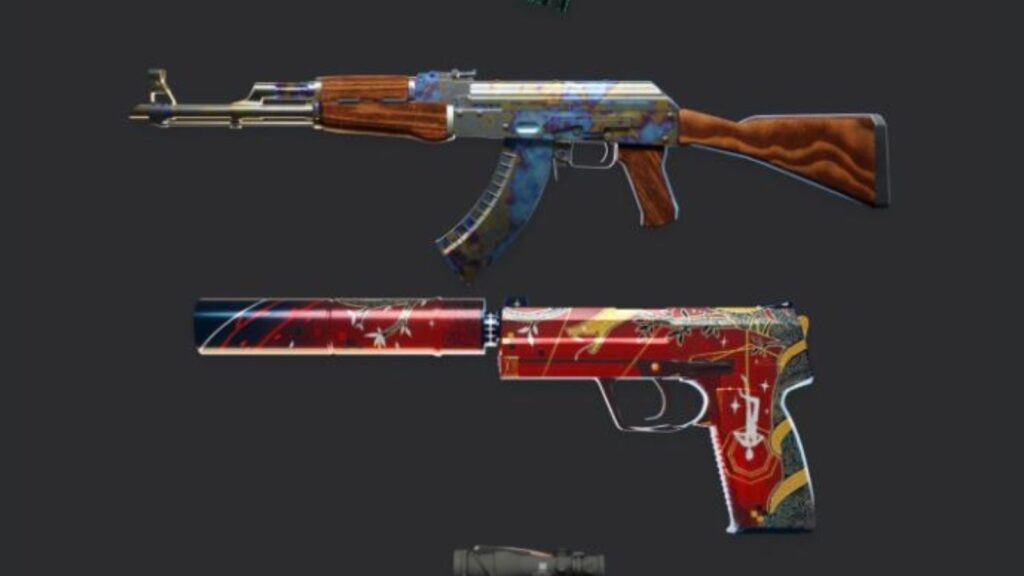
Skins are cosmetic finishes applied to weapons in Counter-Strike. They change how a weapon looks but have no impact on gameplay performance.
Players can get skins in a few main ways:
- opening weapon cases
- receiving occasional drops while playing
- buying items from marketplaces
- trading with other players
Once a skin is in your inventory, it becomes a tradable item. That’s what makes the system interesting — you’re not locked into what you get.
Why Skins Have Value
Not all skins are worth the same. Some are extremely common, while others are rare enough to become collector items.
The value of a skin is mainly driven by three things:
- rarity (how often it drops)
- demand (how many players want it)
- condition (how worn or clean it looks)
Rarity plays a major role. Skins that drop less frequently naturally become more valuable over time. On top of that, popular designs or skins used by pro players often gain additional demand.
This combination is what turns certain skins into high-value items.
How Trading Works
Trading is simply the exchange of skins between players. It’s built directly into Steam and doesn’t require anything extra to get started.
A standard trade looks like this:
- Add another player or open a trade link
- Select items from your inventory
- Review the offer carefully
- Confirm the trade using Steam Guard
Once both sides accept, the items are swapped instantly.
That’s the foundation of all skin trading — simple on the surface, but with a lot of depth once you get into it.
The Role Of Marketplaces
Not all trading happens directly between players. Many people also use marketplaces to buy and sell skins.
The Steam Community Market is the most common option. It allows players to list skins for sale and buy items instantly at listed prices.
There are also third-party platforms that connect inventories and automate trades. These often use bots to complete exchanges quickly and display price comparisons to help users evaluate trades.
For beginners, marketplaces are often the easiest way to understand pricing.
Understanding Wear And Float
One detail that surprises new players is that skins come in different conditions. Even if two skins look the same, their value can differ based on wear.
Each skin has a float value between 0.00 and 1.00, which determines how worn it appears. Lower values mean cleaner skins, which are usually more valuable.
The standard wear categories are:
- Factory New
- Minimal Wear
- Field-Tested
- Well-Worn
- Battle-Scarred
This is why checking condition is always important before trading or buying.
Common Beginner Mistakes

Most new traders make similar mistakes early on. The good news is that they’re easy to avoid once you know what to watch for.
Some of the most common issues include:
- trading without checking current prices
- overvaluing multiple cheap skins vs one good item
- ignoring wear level differences
- rushing into trades without reviewing details
Taking a few extra seconds to double-check everything can prevent a lot of frustration.
How Players Build Better Inventories
Trading isn’t just about swapping random skins — many players approach it with a goal in mind.
Some want to upgrade their inventory gradually. Others focus on collecting specific styles, like red-themed or minimalistic skins.
A common beginner strategy is:
- start with lower-value skins
- trade up for slightly better items
- repeat the process over time
This method allows players to improve their inventory without spending large amounts upfront.
Safety Matters More Than Anything
Because skins can have real value, security is a big part of trading. Most problems happen when players trust the wrong links or rush decisions.
Basic safety habits go a long way:
- always confirm trades through Steam Guard
- avoid logging into unknown websites
- double-check every item in a trade
- ignore unsolicited offers
Steam has even introduced features like trade protection to help reverse recent trades in case of fraud, adding another layer of security to the system.
Why Trading Becomes Addictive (In A Good Way)
Once you understand how skins and trading work, it’s easy to see why so many players get into it. It adds another layer to the game — one that’s less about aim and more about decisions.
Trading combines several elements:
- collecting
- strategy
- market awareness
- community interaction
For some players, it becomes just as engaging as the gameplay itself.
Getting Started The Right Way
You don’t need a large inventory or deep knowledge to begin. The best way to learn is simply to start small.
Focus on:
- understanding prices
- learning how trades work
- avoiding rushed decisions
From there, everything becomes easier.
The world of skins and trading might seem complex at first, but once you get familiar with the basics, it opens up a completely new side of Counter-Strike — one shaped almost entirely by the players themselves.