Modern nightlife rarely starts at the door of a club or bar. It starts earlier, usually on a phone, while scrolling, comparing, and deciding what kind of night feels right. Digital Platforms Shaping Modern Nightlife have changed how people plan evenings, meet others, and move through the city after dark. A typical scenario is familiar: someone finishes work, opens a few apps, checks which venues are busy, where friends are heading, and what options are available beyond crowded public spaces. In that same flow, some users rely on platforms like eros escorts as part of a practical nightlife routine, not as an abstract idea but as a direct action following browsing, filtering, and booking within a real urban context.
How Nightlife Decisions Start Online
Nightlife choices are increasingly made before anyone leaves home. Digital platforms act as the first point of contact between people and the city at night.
Discovery Apps and Event Platforms
Many nights begin with discovery. Users browse event platforms, venue listings, and nightlife apps to see what is happening right now. Filters help narrow options by location, crowd size, music style, or opening hours. This process replaces wandering from place to place. People arrive with a plan, even if it stays flexible.
Reviews, Ratings, and Social Proof
Social proof plays a decisive role. Star ratings, recent comments, and photos uploaded by other users influence whether a venue feels worth the effort. A place that looks active and current often wins over one that feels outdated or empty.
A bulleted list fits naturally here:
- Recent user reviews from the same evening
- Photos showing crowd levels and atmosphere
- Ratings tied to specific nights or events
Platforms That Shape the Night in Real Time
Digital tools do not stop influencing nightlife once the night begins. They continue shaping decisions as plans evolve.
Messaging, Location Sharing, and Coordination
Group chats, live locations, and quick voice messages allow people to adjust plans instantly. Someone leaves early, another joins late, plans shift based on queues or mood. Digital coordination replaces fixed itineraries. The night stays fluid but organized.
On-Demand Services and Instant Access
Modern nightlife depends on instant services. Transport, reservations, and private arrangements are handled on demand, often within minutes. This changes how long people stay out and how spontaneous decisions feel.
A numbered list works well here:
- Ride services responding to crowd surges
- Instant table bookings or guest list access
- On-demand private experiences arranged mid-evening
Data, Algorithms, and Crowd Dynamics at Night
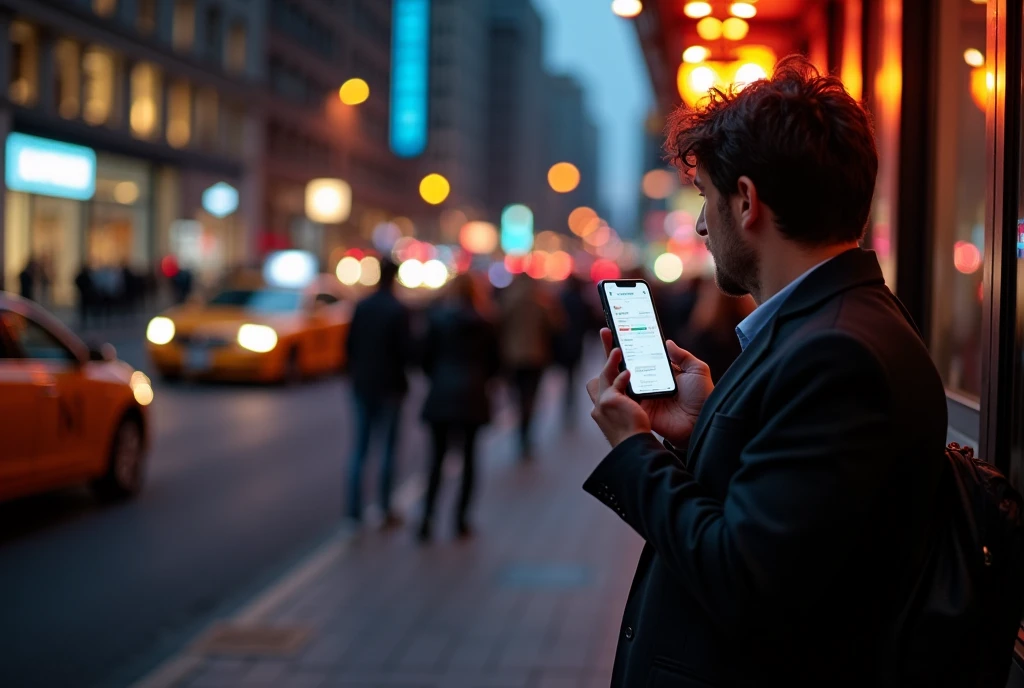
Digital nightlife platforms rely heavily on data to shape how nights unfold. Crowd density, peak hours, user movement, and engagement patterns are constantly tracked and processed. Algorithms use this information to surface venues that feel active, suggest timing changes, or highlight experiences that match current demand. This directly affects where people go and how long they stay. A venue that appears busy on an app draws more users, which in turn makes it busier in reality. Over time, this feedback loop reshapes nightlife hotspots across the city. Neighborhoods rise or cool down not only because of reputation, but because platforms amplify visibility at the right moment. For users, this creates a sense that the city is responsive, adjusting to real-time behavior rather than fixed schedules or static recommendations.
Personalization and Control in Modern Nightlife
One of the biggest shifts driven by digital platforms is control. Users decide not only where to go but how visible or private their night should be.
Filtering Experiences by Mood and Intent
Platforms allow users to filter nightlife based on intent. Some look for busy social environments, others for quieter or more exclusive settings. Mood-based browsing replaces generic recommendations, making nightlife feel more tailored and intentional.
Privacy, Safety, and Digital Boundaries
Privacy has become a core feature rather than an afterthought. Many platforms now emphasize discretion, verification, and user control. This affects how people interact, who they meet, and how comfortable they feel navigating the night.
A bulleted list fits naturally here:
- Profile controls and visibility settings
- Verified users and moderated interactions
- Clear boundaries between public and private options
Conclusion: When Nightlife Becomes Platform-Led
Digital Platforms Shaping Modern Nightlife have transformed evenings out into structured yet flexible experiences. Decisions happen faster, movement feels smoother, and control stays in the hands of the user. Nightlife no longer relies on chance encounters alone but on informed choices guided by real-time data and digital access.
A short concluding list reinforces the takeaway:
- Nights start online and unfold offline
- Platforms guide both planning and spontaneity
- Modern nightlife blends city space with digital flow