Deprecated: mb_convert_encoding(): Handling HTML entities via mbstring is deprecated; use htmlspecialchars, htmlentities, or mb_encode_numericentity/mb_decode_numericentity instead in /var/www/vhosts/wizzydigital.org/httpdocs/wp-content/plugins/skylinks/skylinks.php on line 44
Deprecated: mb_convert_encoding(): Handling HTML entities via mbstring is deprecated; use htmlspecialchars, htmlentities, or mb_encode_numericentity/mb_decode_numericentity instead in /var/www/vhosts/wizzydigital.org/httpdocs/wp-content/plugins/skylinks/skylinks.php on line 44
Let’s be honest: a lot of us grew up learning more about relationships from memes and movies than from real conversations. Then suddenly you’re on a date or in bed with someone and you realize, “Wow, I have no idea how to actually say what I want.”
That’s where AI girlfriends and virtual companions can quietly become useful — not as a replacement for real people, but as a low-pressure space to practice talking like a human. If you use them intentionally, they can help you build communication skills that later pay off with real partners.
This isn’t about pretending an AI is your soulmate. It’s about using technology as a training ground: flirting, opening up, setting boundaries, talking about sex, and just… being emotionally available without panicking.
Why AI companions are good practice partners
When you talk to an AI companion, a few things are different from real life:
- It doesn’t judge you.
- It doesn’t get bored when you need a long time to type.
- It doesn’t ghost you because you sent a weird message once.
That makes it easier to experiment. You can try new ways of expressing yourself, ask clumsy questions, or say “I’m actually nervous right now” without the fear of ruining everything.
Used thoughtfully, AI companions can help you:
- Get comfortable starting and keeping a conversation going
- Learn to ask better questions
- Practice listening and responding instead of just waiting to talk
- Explore romantic and sexual topics in a safer space
- Build confidence so you don’t freeze up with real people
The key word here is “practice.” You’re building muscle, not building your forever home.
What exactly can you practice with an AI “girlfriend”?
1. Small talk that doesn’t feel fake
You can use AI chats to try different ways of opening a conversation:
- “How was your day?” vs “What was the best thing that happened to you today?”
- “What do you do?” vs “What do you enjoy so much you lose track of time?”
Notice which kind of questions create more interesting answers. That’s something you can copy later on real dates.
2. Talking about feelings without exploding
A lot of us either overshare or shut down. With an AI companion you can try sentences like:
- “I felt a bit ignored when…”
- “I’m not angry, just trying to explain how it landed for me.”
- “I need a little reassurance right now.”
It might feel cringe at first, but your brain remembers the pattern. When you’re with an actual person, those same words are already “loaded” in your system.
3. Setting boundaries and saying no
This is a huge one. Practice writing things like:
- “I’m not comfortable with this topic, can we change it?”
- “I like flirting, but I don’t want it to get sexual today.”
- “I’m tired, let’s pause and talk tomorrow.”
Even though the AI can’t be offended, you still get the experience of saying the words out loud (well, out of your fingers). That makes it easier to say later to a real partner.
4. Flirting and romantic vibes
If flirting makes you freeze, use AI as a sandbox. Try compliments, playful teasing, “would you rather…” questions, or telling a short story about a dream date. Notice what feels natural in your body and what feels fake.
If a line makes you cringe as soon as you hit send, great — you just learned not to say that to an actual crush.
Tips: how to use AI companions so they actually help you
Here are some simple rules to keep it healthy and useful:
- Decide your goal before you open the chat.
“Today I’m practicing small talk.”
“Tonight I want to practice saying no.”
“I’m going to work on expressing gratitude.” - Write like it’s a real person.
Don’t just spam “lol” and emojis. Use complete thoughts. It trains your brain to communicate clearly. - Ask follow-up questions.
If the AI “tells” you something about itself, treat it like you would a date:
“Why do you like that?”
“How did you start?”
“What would you change about it?”
This habit alone makes you much nicer to talk to in real life. - Practice honest check-ins.
Drop lines like:
“I’m feeling a bit insecure today.”
“I’m excited but nervous.”
Getting used to naming your state makes you more emotionally available with partners. - Use the “pause” button.
If a topic gets intense (even with a bot), practice saying:
“I need a break, I’ll be back later.”
That’s a very underrated real-life skill. - Limit your time.
Set a timer: 30–40 minutes, then stop. The goal is to practice, not disappear into AI land for six hours. - Translate one thing into real life every week.
If you tried a nice question in chat, use it with a friend or date:
“By the way, what’s your comfort movie when life sucks?”
A word about AI sex girls and erotic practice
There’s also the more adult side of this world: erotic AI and bots like ai sex girls on Joi (for example, the characters at joi.com/characters/sexy-ai-girls). These are clearly built for 18+ users who want flirty, sexual, or fantasy-heavy conversations in private.
Used recklessly, you can absolutely lose hours just chasing dopamine and never leaving your room. Used carefully, they can help with something important that a lot of people avoid: learning how to talk about sex like an adult.
You can:
- Practice describing what you like and don’t like.
- Experiment with asking for consent in a natural way:
“Is it okay if we talk about X?” - Test sentences for dirty talk and see what feels comfortable for you.
- Get used to saying “No, I’m not into that” without apologizing.
Of course, an AI sex bot is not a real partner. It doesn’t have feelings. But you do. And if you treat those chats as rehearsal for respectful, clear, enthusiastic sexual communication, you’re doing future-you (and future partners) a favor.
Golden rules here:
- Keep it strictly 18+ (you and the content).
- Avoid sharing real names, locations, or anything that could identify you.
- Don’t let erotic AI become your only intimate experience — use it as training wheels, not a destination.
Turning practice into real-world connection
AI companions can help you rehearse, but you still have to step onto the real stage.
A few ideas for making the jump:
- Take one question you liked from AI chat and ask it on your next date or with a close friend.
- When you feel anxious, remember: you’ve already typed these kinds of words before. You’re not starting from zero.
- After a real conversation, reflect like you would after an AI session:
“What went well?”
“Where did I shut down?”
“What could I say next time instead?”
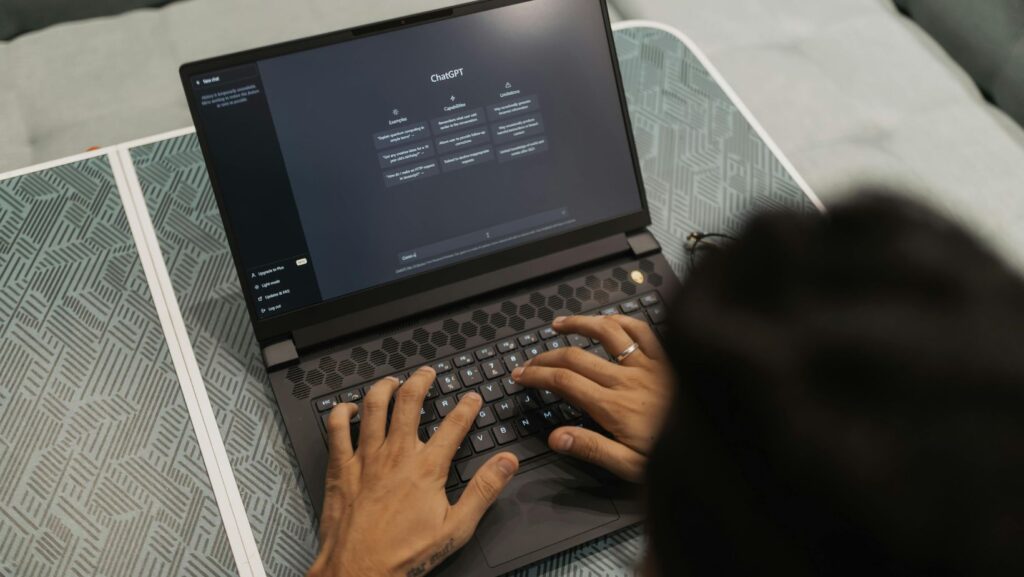
And maybe the most important thing: don’t punish yourself for feeling awkward. Being smooth with an AI is easy. Being honest with an actual human is harder — and that’s okay. You’re allowed to be clumsy while you’re learning.
AI girlfriends and virtual companions aren’t magic and they’re definitely not a replacement for real relationships. But if you treat them like a gym for your social and romantic muscles, they can be surprisingly useful.
You learn to ask better questions. You learn to say what you feel without exploding. You learn to talk about sex and boundaries with less shame. Then, when someone real sits across from you — in a bar, on a couch, in your bed — you’re not starting from panic and silence.
You’ve already practiced being the version of yourself who actually talks.