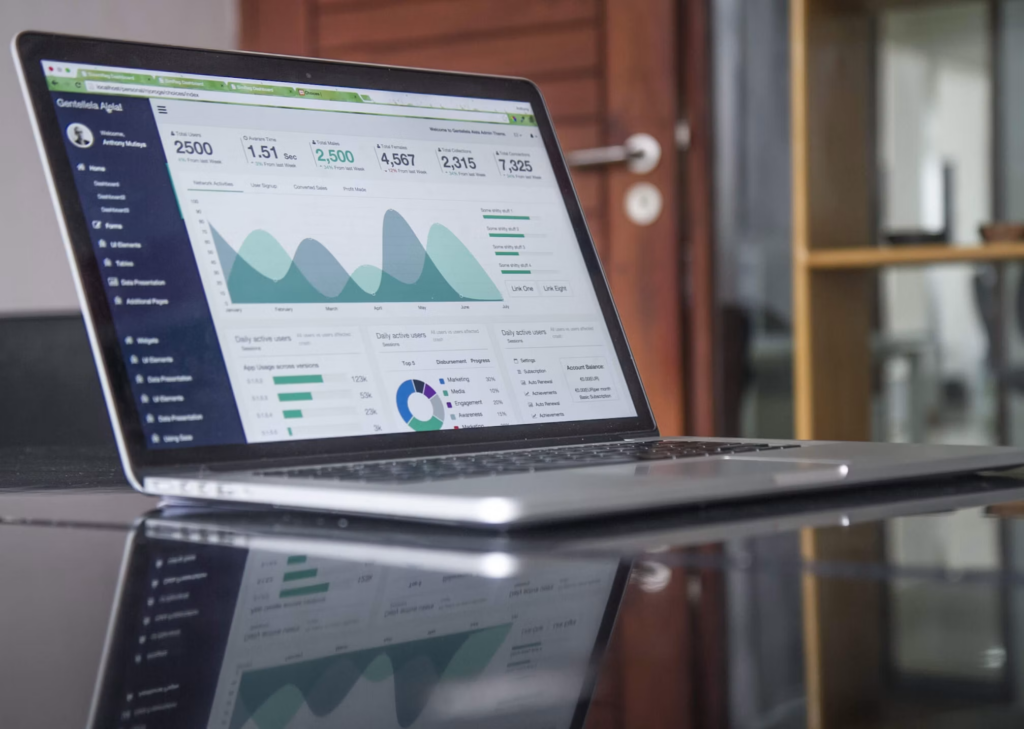
It’s always been important for SMEs to track their customers’ behavior, but in the past, it was a tedious and resource-sapping process involving manual spreadsheets and basic point-of-sale totals. Nowadays, that has changed. Increasingly, digital tools are not only streamlining data analysis but giving businesses a crucial competitive edge. From monitoring customer journeys to engagement habits and purchasing patterns, firms can leverage a host of critical insights to enhance operations and improve products and services.
To make this accessible, SaaS software providers frequently offer low-risk financial incentives like extended free trials and multi-month onboarding discounts. Similar to the consumer sector, where new customers get 50% off their first box of ingredients from meal-kit retailer Gousto, or in iGaming, top current promotions often include free spins on select titles like Big Bass Bonanza, SMEs can leverage better value, particularly in the first year.
HubSpot for Startups, for example, offers up to 90% off certain features of its marketing and sign-up tracking tools. Elsewhere, digital stamp card provider Loopy Loyalty and CRM platform Teamleader Focus offer fully featured free trials.
What Do SME Monitoring Tools Do?
Customer monitoring applications typically fall into three categories covering interaction and CRM analytics, engagement, and behavioral pipelines. Pipedrive and the aforementioned Teamleader Focus are two frontrunners in tracking customer leads and communication, for instance. Sales managers can take the data in real time and pinpoint bottlenecks that might make potential customers disengage.
Digital loyalty is another key area. BonusQR and Loopy Loyalty are two apps that can provide businesses with a better understanding of both online and offline customers through the use of web-based stamp cards connected to Apple and Google wallets. SMEs can gain insights into the number of times a customer visits, their average order values and what they spend, and convert that information into incentives such as user rewards.
Elsewhere, platforms can support pipeline automations, enabling SMEs to better structure and target campaigns such as follow-up reminders for abandoned carts or re-engagement strategies for accounts when they reach 30 days of inaction. Klaviyo, for example, automatically sends a personalized email or SMS message when it registers that a customer has left an e-commerce site with goods in their cart.
Discovering the Competitive Edge
By understanding customers and their shopping behaviors, SMEs can better allocate their resources and gain crucial competitive advantages. Identifying drop-off trends and purchasing intervals, for instance, helps to tailor offers to at-risk buyers before they take their business elsewhere. Activity-based triggers can send automated reminders to staff when a customer hasn’t engaged for a period of time, while sales and support teams can prioritize high-value clients based on up-to-date data instead of spreading resources evenly across every lead.
In addition, by leveraging the right tools, SMEs can centralize interactions, from support tickets to purchase histories, to ensure sales, marketing, and client service teams access a single, shared source of customer data. Other benefits include real-time visibility into the sales pipeline, customized marketing at scale through behavioral segmentation, and faster inquiry resolution to boost satisfaction rates.
Smarter SME Customer Analytics
Today’s customer monitoring tools give SMEs the resources to replace guesswork with precise, data-driven strategy. By centralizing client interactions and automating follow-ups while tracking behaviors like engagement patterns in real time, businesses can foster stronger customer relationships and streamline operations to ultimately unlock sustainable long-term competitive growth.