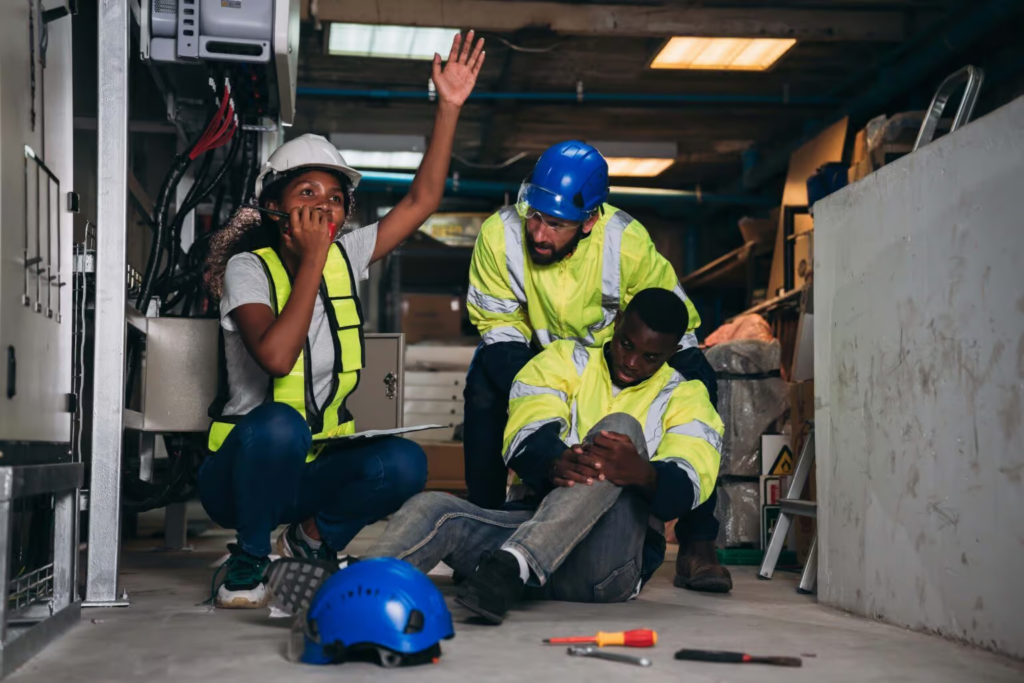
Equipping your team with certified safety skills transforms workplace emergencies from chaotic situations into manageable events. Blended learning makes it easier than ever to get certified. By combining online theory with brief, hands-on practice, businesses can ensure compliance and protect lives without sacrificing productivity.
Have you ever wondered what would happen if a coworker suddenly collapsed right in front of you? We all like to think we would immediately jump into action. But the reality? Most people completely freeze. That hesitation usually comes down to one simple thing: a lack of training. You do not have to feel helpless, though. By enrolling in Coast2Coast first aid and CPR training in Long Beach, you can build the muscle memory needed to step up when seconds truly count.
Why does rapid response matter so much?
When a medical emergency hits, time is your absolute biggest enemy. If someone suffers sudden cardiac arrest, every single minute that passes without chest compressions drops their chance of survival by nearly ten percent. It is a terrifying statistic.
You aren’t trying to act like a doctor or a paramedic. You are just trying to keep oxygen flowing to their brain until the real professionals arrive on the scene. Knowing the right depth and rhythm for chest compressions makes all the difference in the world.
What is the blended learning approach?
Taking two full days away from the office or your family used to be the biggest hurdle to getting certified. Who has time to sit in a stuffy room all weekend anymore? Thankfully, the training format has evolved. We now use a highly efficient blended learning model.
- Online Theory: You tackle the reading, videos, and quizzes from your own laptop or phone. Do it on your lunch break, or from the comfort of your couch at home.
- In-Class Practice: You show up for a short, highly focused session to practice physical skills on mannequins. You get direct, real-time feedback from an expert instructor.
This method respects your busy schedule while ensuring you still get the vital hands-on practice required to actually save a life.
Can anyone actually use a defibrillator?
You have probably seen those Automated External Defibrillators (AEDs) mounted on the walls at the gym, in the mall, or in your office. Have you ever been afraid to touch one? A lot of people are terrified they might shock someone by accident and make things worse.
The truth is, modern AEDs are completely foolproof. They literally talk you through the entire process out loud. The device will actually refuse to deliver a shock unless it detects a very specific, lethal heart rhythm. Training just removes the mystery so you can grab the machine without a second thought.
How do you stay compliant and confident?
For many businesses, maintaining safety certifications is a strict legal requirement. Meeting state workplace safety standards keeps you out of trouble, but it also creates a genuine culture of care. When your staff knows what to do, everyone feels a little safer walking through the door each morning.
Whether you need to outfit a construction crew or an office staff, having the right knowledge is key. If you want to explore more safety tips or need to verify workplace protocols, https://www.c2cfirstaidaquatics.com/ is an excellent resource to keep handy.
If you are looking for first aid training near Harbor City, the Pacific Coast Highway, or other areas close to our facility, then you may reach out to Coast2Coast First Aid/CPR – Long Beach in that area. For more info and articles like this visit: https://www.c2cfirstaidaquatics.com/
Frequently Asked Questions
1. Is this certification OSHA compliant? Yes, our first aid and CPR/AED courses fully meet OSHA guidelines and California workplace safety requirements.
2. How long does the in-class portion take? Because you complete all the theory online beforehand, the in-person skills session is significantly shorter, usually lasting just a few hours depending on the specific course level.
3. Do I need any medical background to take this course? Not at all. Standard first aid and CPR courses are designed specifically for the general public, parents, and everyday employees.
4. When will I get my actual certificate? Digital certificates are processed quickly. You will typically receive your official certification via email shortly after successfully completing your practical in-class session.
5. What is the difference between Standard First Aid and BLS? Standard First Aid is meant for everyday citizens and regular workplace compliance. Basic Life Support (BLS) is a specialized, fast-paced course designed strictly for healthcare providers, nurses, and first responders.