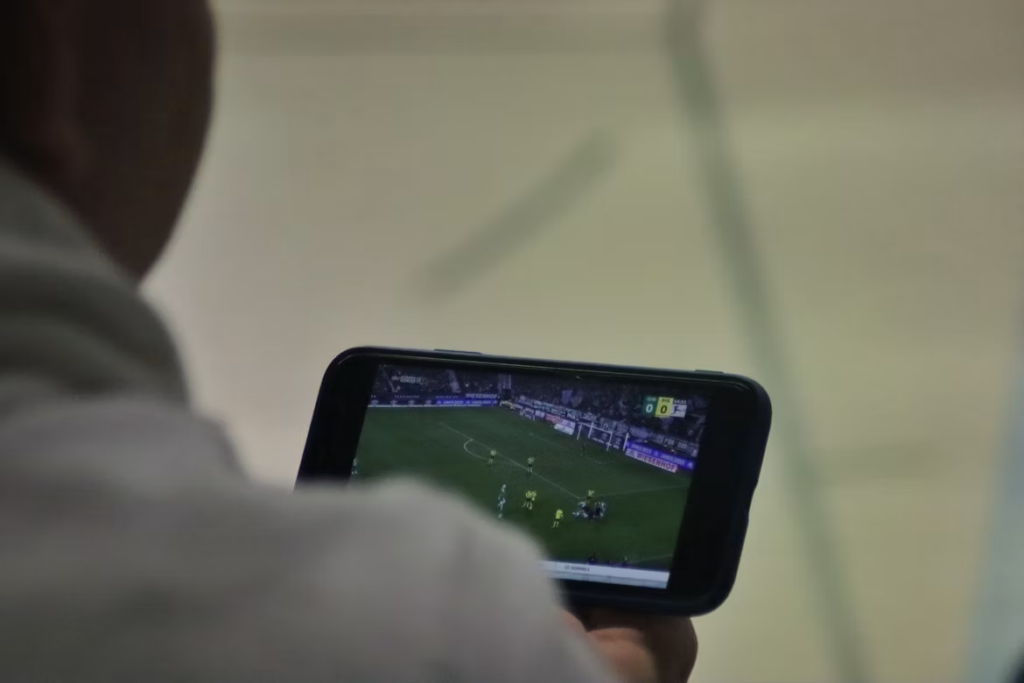
Football rarely stays on one screen. A major match may be playing on television while a supporter checks line-ups, follows live commentary, scans social reaction or looks for post-match analysis on a phone. For South African audiences, this second-screen habit can make matchday richer, provided digital tools help fans follow the game rather than distract them from it.
The mobile journey can also lead beyond fixtures and football reporting into adult-only entertainment services. Someone searching for hollywood login spina zonke is entering a separate digital space from a fan reading a team preview or checking a live score. Responsible matchday browsing begins with recognising that difference and making each choice deliberately.
What Should a Second Screen Add to Matchday?
A second screen is useful when it answers questions created by the match. Before kick-off, supporters may want confirmed line-ups, formation clues, recent form or information about where the fixture sits in a competition. During play, the most valuable updates explain turning points instead of repeating noise already visible on the main screen.
That could mean a brief note on why a midfield change matters, how a red card affects shape, or what a late result means for the table. After the game, the same mobile journey should make it easy to find a clear report, key reactions and the next relevant fixture. Good coverage follows the rhythm of the supporter’s interest.
The opposite experience is easy to recognise. A cluttered page that loads slowly, hides match details or pushes unrelated prompts before basic information makes a fan work harder at the exact moment attention is highest. Matchday tools earn repeat use when they are fast, relevant and calm.
Which Mobile Features Are Worth a Supporter’s Attention?
Not every alert, app function or live widget improves the experience. A useful feature should save time, improve understanding or help a supporter follow a match they cannot watch in full. Anything else risks becoming another interruption.
A practical matchday toolkit may include:
- Fixture reminders: useful for kick-off times, especially during busy competition schedules.
- Confirmed team sheets: valuable shortly before the match, when speculation becomes fact.
- Live incident updates: helpful for goals, cards, substitutions and decisive moments.
- Concise analysis: important when it explains a tactical shift or the consequence of a result.
- Post-match summaries: effective when they combine the score, key events and what comes next.
Supporters should remain selective. Receiving every available notification can turn football coverage into a stream of interruptions rather than a useful companion to the match. Choosing alerts around a team, competition or specific fixture keeps the mobile experience connected to genuine interest.
How Can Fans Separate Sport Content From Optional Services?
Football media now sits alongside ticketing, merchandise, streaming, fantasy games and adult-only entertainment services. These may all appear within the broader digital world around sport, but they do not serve the same purpose. A match report provides information about the game; an account-based service involves separate decisions about registration, privacy, payments or participation.
That distinction matters most during emotionally charged moments. A derby, cup elimination or dramatic late goal can encourage rapid decisions, especially when supporters are already moving between updates and reactions on a phone. A responsible digital routine is to pause before leaving football coverage for any service involving personal details or money.
Adult users who decide to access betting or gaming-related platforms should apply ordinary safety checks:
- Verify that the service displays appropriate licensing information for South Africa.
- Reach account pages through recognised, secure routes rather than unexpected messages or copied links.
- Protect login credentials and avoid sharing verification information.
- Check terms, privacy settings and account controls before using a service.
- Treat gambling as optional entertainment, not as an extension of supporting a team.
These checks do not complicate the matchday experience. They create a clear boundary between enjoying football coverage and making a separate adult choice online.
Why Does Device Safety Matter on Matchday?
Live sport creates urgency. Fans may search quickly for an update, a stream, an app or a login page while a game is approaching kick-off or moving through a decisive phase. Speed is understandable, but rushed downloads and unfamiliar links can carry risks that have nothing to do with football.
A safer mobile routine starts with familiar habits. Keep device security features active, install updates when available and be cautious with downloaded files or applications from unfamiliar locations. When an app requests permissions that seem unrelated to its purpose, that is a reason to stop and check before continuing.
The same caution applies to messages shared during a match. A link arriving through a social post, group chat or unsolicited text may look relevant because it mentions a club, result or promotion. Supporters should still assess where it leads before entering personal details or installing anything.
How Should Publishers Support a Safer Fan Journey?
Publishers have an important role because they shape the route readers take through matchday content. Football journalism should place the game first: fixtures, context, live developments, results and analysis. Optional services can exist around that coverage, but they should be clearly separated and never presented as a requirement for enjoying the sport.
A well-designed mobile article helps a reader understand where they are going next. Editorial links should lead naturally to more football context, such as a team profile, competition explanation or post-match report. Links involving registration, adult-only services or account activity should be recognisable as different kinds of destinations.
This approach supports trust. Fans are more likely to return to coverage that respects their purpose than to pages that turn every moment of interest into pressure. In a crowded mobile environment, clarity is a meaningful form of service.
A Better Second Screen Keeps the Match at the Centre
The second screen has become part of modern football culture because it can add context, connection and convenience. South African supporters can use it to follow fixtures more closely, understand key moments and stay connected to the conversations that follow a major match.
Its value depends on control. Fans benefit when they choose relevant tools, separate football information from optional adult services and treat mobile security as part of everyday matchday behaviour. The most responsible digital journey does not compete with the game; it helps supporters enjoy it with clearer information and fewer unnecessary risks.